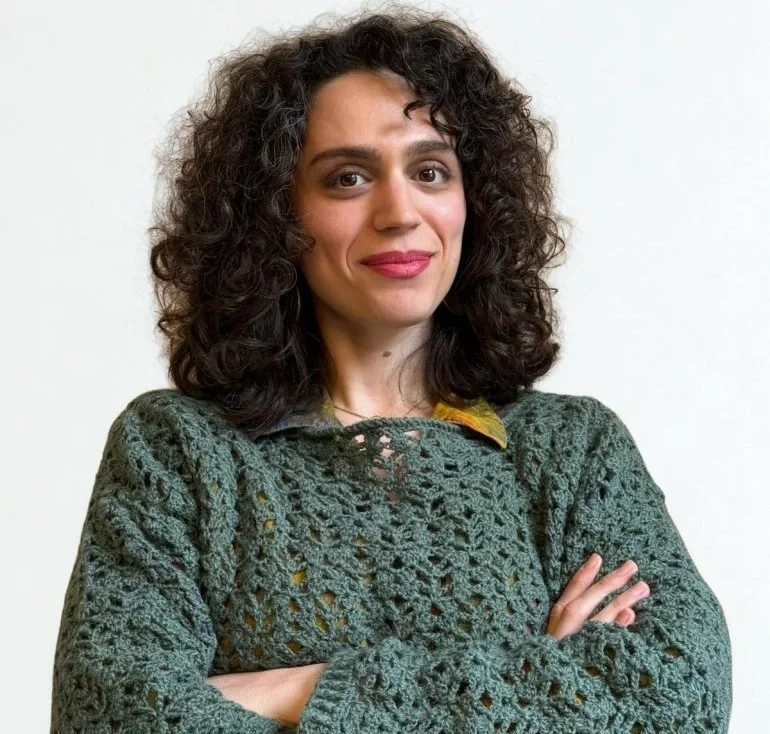
Health information has never been more accessible. A question about symptoms, treatment options, medicines or healthcare policy can produce thousands of answers within seconds. Yet greater access to information does not necessarily mean better-informed decisions. Patients and citizens increasingly have to navigate an environment where reliable evidence sits alongside misleading claims. As the European Patients’ Forum’s (EPF) 2026 Skills Training Course for Young Patient Advocates (STYPA) thematic focus is on health literacy, trainer Vasiliki Tsaklidou guides us in exploring and better understanding this complex and increasingly important topic.
Not all false information is the same
A useful starting point is the Information Disorder Framework developed by Claire Wardle and Hossein Derakhshan for the Council of Europe. Rather than relying on the broad label “fake news”, the framework distinguishes information according to two important questions: Is the information false? And is there an intention to cause harm?
This conceptualisation of information disorder produces three distinct categories. Misinformation is false or inaccurate information shared without an intention to deceive, for example, someone sharing a post because they have misunderstood the findings of a health study. Disinformation, by contrast, is false information deliberately created or distributed to deceive, manipulate or cause harm, sometimes for political or financial gain. Malinformation reminds us that information does not even have to be false to be harmful: factually accurate information can be deliberately used against someone, as when private patient information is leaked to discredit an advocate.
The framework becomes even more practical when we look at the seven types of mis- and disinformation content. They range from satire or parody that may inadvertently fool an audience, through misleading content and the impersonation of genuine sources, to completely fabricated material. False connections occur when a headline, image or caption does not accurately represent the content it accompanies; false context places genuine material in a misleading setting; and manipulated content alters authentic information or imagery to deceive, including through cheapfakes and deepfakes. Being able to name these techniques is already useful. But recognising misleading content is only part of the challenge. We also need to understand why it travels so effectively.
Why false information can travel further than facts
Within the information ecosystem, a claim does not necessarily need to be accurate to spread widely. It needs to attract attention and strong emotions are particularly effective at doing so.
Algorithmic amplification is one part of this process. Social media and search platforms can give greater visibility to content generating high levels of engagement, irrespective of its accuracy. Emotional, alarming or fear-inducing health claims can therefore gain considerable reach.
Human psychology contributes as well. Confirmation bias makes us more receptive to information that reinforces what we already believe. Echo chambers can further reinforce those beliefs through repeated interaction with people and sources expressing similar views. And even when inaccurate information is corrected, the continued influence effect means that it can continue shaping beliefs and behaviour. This is why simply publishing a correction may not be enough: a credible and compelling alternative narrative is also needed.
This changes the question we need to ask. If people are navigating an environment shaped by emotional messaging, cognitive biases and amplification technologies, what capacities do they need to navigate it?
Health literacy as part of the answer
This is where health literacy becomes especially important.
At the first level, functional health literacy provides the basic skills needed to understand a prescription, follow an appointment letter or interpret dosage instructions. These abilities remain fundamental, but they are no longer sufficient for the information environment patients encounter every day.
The second level, communicative or interactive health literacy, concerns the ability to extract and apply information in changing circumstances. A person may, for example, need to understand a clinical-trial summary and know which follow-up questions to ask.
The third, critical health literacy, goes further: it means critically analysing information, questioning sources and using information to influence decisions in policy, community or media contexts. This is the direction in which patient advocates are being trained. Health literacy becomes an advocacy objective, with the aim to influence political decisions and policy making.
Seen against the information-disorder landscape, the importance of this progression becomes clear. Functional literacy can help someone understand a health message; interactive literacy helps them engage with it; but critical literacy equips them to ask who produced it, what evidence supports it, what may have been omitted or manipulated, and why the message is reaching them in this particular form.
From critical thinking to practical checking
Critical health literacy becomes most useful when it translates into concrete habits.
● One is the SIFT method: Pause before reacting or sharing, investigate the source, find better coverage and trace the claim back to its original context.
● Closely related is lateral reading. Rather than remaining on one webpage and allowing it to establish its own credibility, open other sources and investigate what independent sources say about the publisher, author or claim. This is the approach used by professional fact-checkers.
● There is also value in acting before misinformation takes hold. Prebunking prepares people in advance for the possibility that they will encounter false or manipulative content, helping them recognise common techniques before exposure.
● Debunking, meanwhile, corrects information after it has circulated. It remains important, but because misleading information can continue to influence people even after correction, it is recommended to pair debunking with a clear alternative narrative.
These tools bring us back to the central role of health literacy. In an information environment where misleading content can be fabricated, reframed, manipulated and rapidly amplified, being health-literate can no longer mean simply being able to read health information. Increasingly, it means being able to navigate it: to pause, question, investigate, compare sources, understand context and make informed judgements. Ultimately, health-literacy translates into advocates being able to hold decision-makers accountable and ensuring a human rights-based and sustainable health advocacy.
About the author
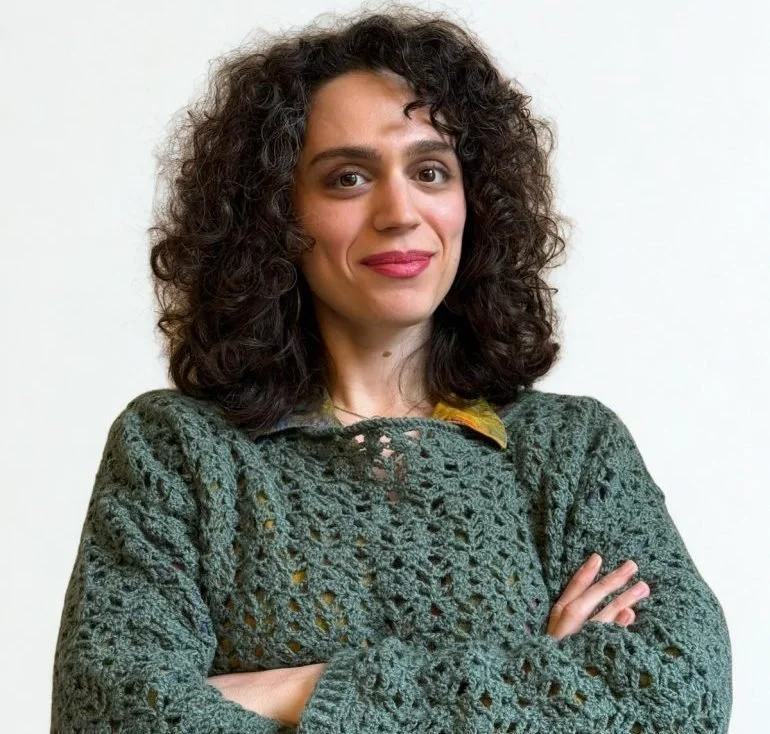
Vasiliki Tsaklidou is a youth trainer who focuses on empowering young people to become changemakers. She works on helping youth create social change, take an active role in shaping youth policies, and develop the skills they need to engage in political activity.
Through her experience with European initiatives like Erasmus+ and the Council of Europe’s youth sector programmes, she encourages young people to feel their potential and step up as leaders who can build fairer societies. Her training expertise spans key themes such as active citizenship, sustainable development, leadership and soft skills, mental health awareness, campaign creation, and enabling inclusion for underrepresented communities.
Vasiliki Tsaklidou, Human Rights Educator & Youth Consultant